

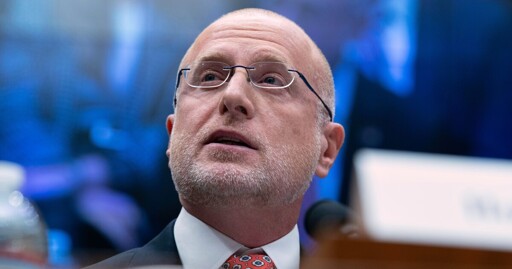
The FCC voted on Thursday to remove the cap on TV station ownership in the U.S., delivering a big win to media companies aligned with President Donald Trump and the Republican Party.
Supporters of the cap immediately said they will challenge the FCC’s action in court. They argue that only Congress has the authority to make such a change.
While the legal battle plays out, the rule change will likely mean that big station group owners like Sinclair will buy up more TV stations, furthering a shift from local to national ownership.
Thursday’s party-line vote repealed the national broadcast ownership rule, which bars a single company from reaching more than 39% of U.S. TV households over the public airwaves.
So they can’t do these things without congressional authorization (fda, epa) until they can?
It will have to be worked out in the courts.
My guess is the lower courts will rule against it, but when it reaches the SC they will rule against the original congressional law, claiming it ‘goes against corporations free speech rights.’
in the meantime… sinclair, the networks, perhaps newscorp or some fucknut far right evangelist group, all take advantage.
Democrats can’t do it. Republicans can ignore rules, but might have court room speed bumps.
That they have to cheat to win should tell you everything you need to know.
Concentration of power, the very thing democracy exists to prevent. Ignoring economics was the worst blunder of the founding fathers framing, whose bias to their own wealth ignored it’s power. For a group interested in ensuring the division of power, to fail to include their own economic power over the masses, ensured its inevitable failure. But maybe that’s because they weren’t talking about everyone being equal and free, just themselves. The peasants weren’t actually people to them, it seems.
