We really need to standardized battery sizes again…
I bought a flashlight the other day that came with a lithium ion rechargeable the size of 2 AA stuck together. If it ever dies or won’t hold a charge, I can just use two normal AA batteries.
It’s a really simple compromise to have a “state of the art” battery, yet not be tied to a weird size I won’t be able to find. In 30 years I should still be able to buy rechargeable AA batteries.
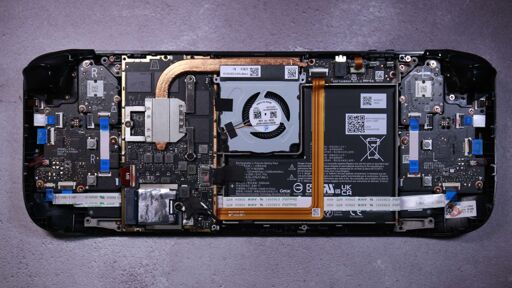
Or at least standard connectors to make modding easy. I get using a weird shaped battery in a handheld to maximize battery life in a compact device, but would be nice if it was an easy to find connector so you could just glue a battery pack to the back of it (or 3d print a new shell), so you can easily keep it going if/when that battery becomes unavailable.
Step one, force all battery manufacturers to switch to rechargeable cells. Keep all the existing sizes for now, but no more disposable batteries. What Panasonic did with Eneloop was make rechargeable AAA and AA batteries. If you want C or D, there’s a cheap plastic adapter for the AAs that turn them into C and D-sized batteries. So an aggressive approach would be to force C and D to discontinue and use AAs in adapters from now on. Continue making disposable 9-volt until they’re no longer needed, and alert manufacturers to stop making products that require 9-volt.
Step two, reduce “coin” batteries down to a single size (for simplicity, the same width as the smallest existing coin battery and the same thickness as the thinnest existing coin battery), force all new devices that need coin batteries to adopt that size. Keep making disposable coin batteries in all sizes until they’re no longer needed, and alert manufacturers to switch to the new universal size.
Then draft a bunch of different flat rectangle size standards that manufacturers can build products around.
In all cases, there will be exceptions that need custom-sized batteries. But for now this will keep the industry and standards bodies busy and make things easier for consumers as quickly as possible.


We really need to standardized battery sizes again…
I bought a flashlight the other day that came with a lithium ion rechargeable the size of 2 AA stuck together. If it ever dies or won’t hold a charge, I can just use two normal AA batteries.
It’s a really simple compromise to have a “state of the art” battery, yet not be tied to a weird size I won’t be able to find. In 30 years I should still be able to buy rechargeable AA batteries.
Not all AA cases fit the same, but that’s why god gave us the imagination to invent the dremel tool.
Or at least standard connectors to make modding easy. I get using a weird shaped battery in a handheld to maximize battery life in a compact device, but would be nice if it was an easy to find connector so you could just glue a battery pack to the back of it (or 3d print a new shell), so you can easily keep it going if/when that battery becomes unavailable.
Step one, force all battery manufacturers to switch to rechargeable cells. Keep all the existing sizes for now, but no more disposable batteries. What Panasonic did with Eneloop was make rechargeable AAA and AA batteries. If you want C or D, there’s a cheap plastic adapter for the AAs that turn them into C and D-sized batteries. So an aggressive approach would be to force C and D to discontinue and use AAs in adapters from now on. Continue making disposable 9-volt until they’re no longer needed, and alert manufacturers to stop making products that require 9-volt.
Step two, reduce “coin” batteries down to a single size (for simplicity, the same width as the smallest existing coin battery and the same thickness as the thinnest existing coin battery), force all new devices that need coin batteries to adopt that size. Keep making disposable coin batteries in all sizes until they’re no longer needed, and alert manufacturers to switch to the new universal size.
Then draft a bunch of different flat rectangle size standards that manufacturers can build products around.
In all cases, there will be exceptions that need custom-sized batteries. But for now this will keep the industry and standards bodies busy and make things easier for consumers as quickly as possible.