I read some more about it and it looks like developers have a lot of granular control. Not just % applied but options per object type. So they can max it out for faces, 50% for water, 25% for foliage, etc.
There are some legitimately awesome use cases for this especially if they let developers train their own models. I didn’t play Death Stranding but I know they’ve got detailed face scans of Norman Reedus…imagine if the Norman filter got applied to his character in-game.
If it’s that controllable that’s pretty cool. I could see it being useful to do things that are normally expensive (like raytracing shadows on grass) but which don’t really matter if they’re altered a bit. Being able to exclude faces or important set pieces would be a big plus.
Not that it matters much for me, my next card will likely be AMD for Linux reasons.


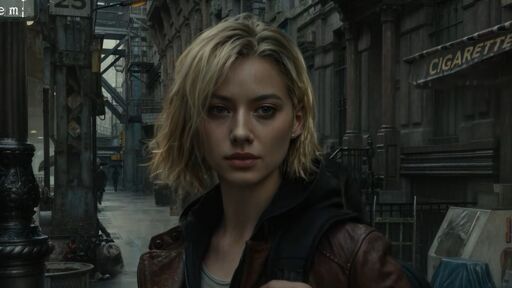
I read some more about it and it looks like developers have a lot of granular control. Not just % applied but options per object type. So they can max it out for faces, 50% for water, 25% for foliage, etc.
There are some legitimately awesome use cases for this especially if they let developers train their own models. I didn’t play Death Stranding but I know they’ve got detailed face scans of Norman Reedus…imagine if the Norman filter got applied to his character in-game.
If it’s that controllable that’s pretty cool. I could see it being useful to do things that are normally expensive (like raytracing shadows on grass) but which don’t really matter if they’re altered a bit. Being able to exclude faces or important set pieces would be a big plus.
Not that it matters much for me, my next card will likely be AMD for Linux reasons.