Well, like, cutting defense spending would also be austerity. Increasing corporate taxes would also be austerity.
A “rebellion against austerity” only serves to paint the protesters as irrationally opposed to responsible money management, in general.
It does make a difference to communication that they are protesting against a specific kind of budget cut. A skilled propagandist would want everyone to think the protesters are making irrational demands, rather than the reasonable and specific demand to not cut education funding.
As I mentioned, cutting defense spending or increasing corporate taxes are also austerity measures. Presumably you’re not opposed to those.
Some austerity measures kill people. Those are the ones you’re opposed to. That does not mean you are opposed to austerity policies; it means you are opposed to those specific policies.
And regardless of my personal opinion on what “austerity” means, the point stands that a skilled propagandist would want the general public to believe these protesters are irrationally opposed to responsible money management, and calling it a “rebellion against austerity” is an effective way to do that. This is because most people treat “austerity” and “fiscally responsible” as synonyms, whether we like it or not.
“Um, Akshually the textbook definition of Austerity is…” We both know that the word is used by liberals in government to justify cutting very SPECIFIC things. And regardless it means to reduce overall government spending right? In a nation that has income inequality of any kind this means that the ones who have the means will simply look out for themselves, and the ones who do not will suffer or die. No matter WHERE you remove money from the economy it will always reduce the overall money supply moving around, and this will always hit the poor before it hits anyone else.
We both know that the word is used by liberals in government to justify cutting very SPECIFIC things.
That’s true. Why do they do that? Why do they use a very general word, which could mean a variety of good or bad things, and then exclusively do bad things with it?
… is it because it’s in their best interest to cover up their evil intentions with a term that might convince the general public that it’s a good idea?
And… if that were the case… should we be playing along with it by framing our opposition to a very specific budget cut, as an opposition to a very general thing that the general public might believe is a good thing?
My position is that framing education budget cuts as “austerity measures” is giving them the benefit of the doubt, and allowing them to strip away even the crumbs allocated to the poor, while maintaining plausible deniability that it was all in the name of saving the budget. I reject that framing. I reject the headline.
In practice, stripping funding from education and healthcare and poverty prevention is irresponsible, I agree. Those specific austerity measures are irresponsible.
And yet, people still use the term on purpose. Why? Because it’s easy to sell to the public by saying, “It’s just responsible money management,” with the followup benefit that “Anyone opposed to this austerity measure is opposed to responsible money management.”
They’re bullshitting the public by covering up their intentions with language that is marketable. That’s my point. If you agree that this is a “rebellion against austerity”, you’re giving the propagandists what they need to turn public opinion against the thing that these protesters stand for.
That’s fair but in economic theory austerity should be responsible budget constraint used to limit spending in an attempt to “save” money. For a government, over restrictions on spending have a crippling effect on the economy. Your point is valid if governments are claiming essential services were cut as austerity measures. My point is that if you support austerity you want it done responsibly in order to claim that it can work, which it can’t. Crippling social services isn’t austerity, it’s neglect and mismanagement.
You are assuming the people who “support austerity” do so because they think it will improve the situaton, and not just because they do not fucking care if poor people die or not.
Yes but I would like to think that economists who believe in austerity wouldn’t support this or agree that it is an application of austerity, that the people in charge are just hiding behind the claim that this is austerity when the reality is like you say, it’s just malicious
I do think that economists have an interest in dealing in factual information. I don’t think they are concerned with poor people but a government collecting too little in taxes will act in its own interest. They will try to increase economic activity by lowering borrowing costs or by spending. Or they will cut spending. In order to decide what to do they rely on economic theory and recommendations from economists.


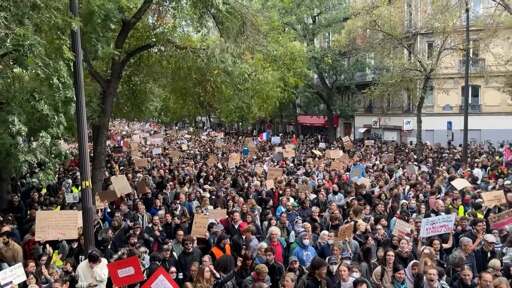
“It’s not austerity!” Goes on the describe what austerity is. It’s literally the word they use when they defund essential services lol.
Well, like, cutting defense spending would also be austerity. Increasing corporate taxes would also be austerity.
A “rebellion against austerity” only serves to paint the protesters as irrationally opposed to responsible money management, in general.
It does make a difference to communication that they are protesting against a specific kind of budget cut. A skilled propagandist would want everyone to think the protesters are making irrational demands, rather than the reasonable and specific demand to not cut education funding.
Calling austerity “responsible money management” is insane. It kills people.
As I mentioned, cutting defense spending or increasing corporate taxes are also austerity measures. Presumably you’re not opposed to those.
Some austerity measures kill people. Those are the ones you’re opposed to. That does not mean you are opposed to austerity policies; it means you are opposed to those specific policies.
And regardless of my personal opinion on what “austerity” means, the point stands that a skilled propagandist would want the general public to believe these protesters are irrationally opposed to responsible money management, and calling it a “rebellion against austerity” is an effective way to do that. This is because most people treat “austerity” and “fiscally responsible” as synonyms, whether we like it or not.
“Um, Akshually the textbook definition of Austerity is…” We both know that the word is used by liberals in government to justify cutting very SPECIFIC things. And regardless it means to reduce overall government spending right? In a nation that has income inequality of any kind this means that the ones who have the means will simply look out for themselves, and the ones who do not will suffer or die. No matter WHERE you remove money from the economy it will always reduce the overall money supply moving around, and this will always hit the poor before it hits anyone else.
That’s true. Why do they do that? Why do they use a very general word, which could mean a variety of good or bad things, and then exclusively do bad things with it?
… is it because it’s in their best interest to cover up their evil intentions with a term that might convince the general public that it’s a good idea?
And… if that were the case… should we be playing along with it by framing our opposition to a very specific budget cut, as an opposition to a very general thing that the general public might believe is a good thing?
My position is that framing education budget cuts as “austerity measures” is giving them the benefit of the doubt, and allowing them to strip away even the crumbs allocated to the poor, while maintaining plausible deniability that it was all in the name of saving the budget. I reject that framing. I reject the headline.
Austerity is the opposite of responsible money management
In practice, stripping funding from education and healthcare and poverty prevention is irresponsible, I agree. Those specific austerity measures are irresponsible.
And yet, people still use the term on purpose. Why? Because it’s easy to sell to the public by saying, “It’s just responsible money management,” with the followup benefit that “Anyone opposed to this austerity measure is opposed to responsible money management.”
They’re bullshitting the public by covering up their intentions with language that is marketable. That’s my point. If you agree that this is a “rebellion against austerity”, you’re giving the propagandists what they need to turn public opinion against the thing that these protesters stand for.
That’s fair but in economic theory austerity should be responsible budget constraint used to limit spending in an attempt to “save” money. For a government, over restrictions on spending have a crippling effect on the economy. Your point is valid if governments are claiming essential services were cut as austerity measures. My point is that if you support austerity you want it done responsibly in order to claim that it can work, which it can’t. Crippling social services isn’t austerity, it’s neglect and mismanagement.
You are assuming the people who “support austerity” do so because they think it will improve the situaton, and not just because they do not fucking care if poor people die or not.
Yes but I would like to think that economists who believe in austerity wouldn’t support this or agree that it is an application of austerity, that the people in charge are just hiding behind the claim that this is austerity when the reality is like you say, it’s just malicious
Do you genuinely believe that western economists give a single shit about poor people?
I do think that economists have an interest in dealing in factual information. I don’t think they are concerned with poor people but a government collecting too little in taxes will act in its own interest. They will try to increase economic activity by lowering borrowing costs or by spending. Or they will cut spending. In order to decide what to do they rely on economic theory and recommendations from economists.