

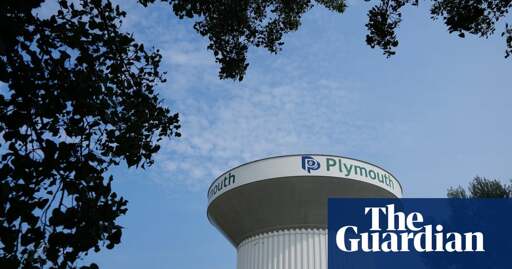
Late last week, federal authorities issued a stern warning saying “malicious cyber actors” were targeting water and wastewater facilities in at least seven states across the US. Minnesota appeared to be the hardest hit with 30 of its water systems hit by cyber-attacks, leading to disruptions in the state’s water supply.
The problems ranged from low-pressure water flow in people’s homes to some utilities announcing boil-water notices. But there have been no reports of drinking water contamination.
“These threat actors are targeting water entities of all sizes,” the US Cybersecurity and Infrastructure Security Agency (Cisa) said in a statement last Thursday.
The agency highlighted the fact that critical infrastructure systems can be especially vulnerable to cyber-attacks in the digital age. Much of the problem stemmed from water facilities’ connection to the internet, which made it possible for hackers to infiltrate, change passwords and lock out operators. To mitigate continued disturbances, the agency advised utilities to take their systems offline and switch to manual mode.
The culprit of the coordinated attack is suspected to be Iran, according to officials across the government who have spoken anonymously to various news outlets. Tehran has reportedly stepped up its cyber-attacks on the US since the war began nearly six months ago, but so far has only had nominal success. While the FBI announced that it opened an investigation into the hack, it stopped short of putting the responsibility on Iran.
Donald Trump, however, has said the attack is Minnesota’s fault.
“I blame it on Minnesota because they’re grossly incompetent,” Trump said at a cabinet meeting last Friday at Camp David in Maryland, without providing evidence to support his claims. “I would blame it on Minnesota and the governor, the corrupt governor of Minnesota … Iran’s got bigger problems than worrying about Minnesota.”
Attribution can be masked/falsified
https://wikileaks.org/ciav7p1/