

The appeals court said the act was unconstitutional because a majority of U.S. House members weren’t physically present when it was approved as part of a spending package in December 2022. At the time, the House was operating under COVID-era rules that allowed members to vote by proxy.
“The (Quorum) Clause’s text, context, original understanding and unbroken historical application all indicate that members of Congress must be present for quorum purposes — as the Supreme Court expressly held over 125 years ago and as Congress has done ever since the founding,” the court said in its decision. “‘Proxy presence’ does not count.”
A Better Balance, an advocacy group that spearheaded the law’s passage, said in a statement Friday that the circuit court ruling would likely be appealed to the U.S. Supreme Court. Inimai Chettiar, the group’s president, said the ruling was “legally unsound and short-sighted.”
“The 5th Circuit has put the health, livelihoods, and economic security of millions of American women and their families at risk,” Chettiar said in a statement.
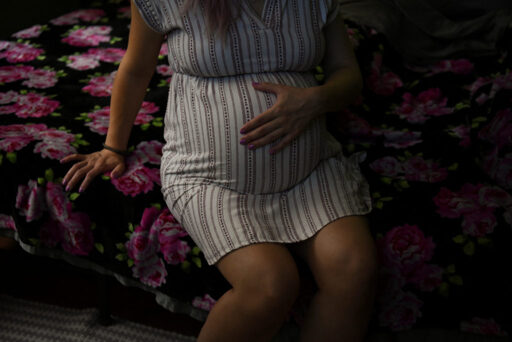
The law, which passed with bipartisan support, strengthens the rights of women to receive workplace accommodations for needs related to pregnancy and childbirth, such as time off for medical appointments and exemptions from heavy lifting.
Texas Attorney General Ken Paxton sued to block the act in 2023 on grounds that it was unconstitutional. In 2024, a federal judge agreed and blocked enforcement of the law for Texas state employees.
But in 2025, a three-judge panel on the 5th Circuit court disagreed, finding that the law was properly passed under Congress’s pandemic-era rules. That decision was appealed to the full 5th Circuit.
In their dissent, the eight judges who would have upheld the law noted that no member of Congress objected that a quorum was lacking when the $1.7 trillion government funding bill was passed.
They they’ll complaint the birth rate is going down surprised pikachu face